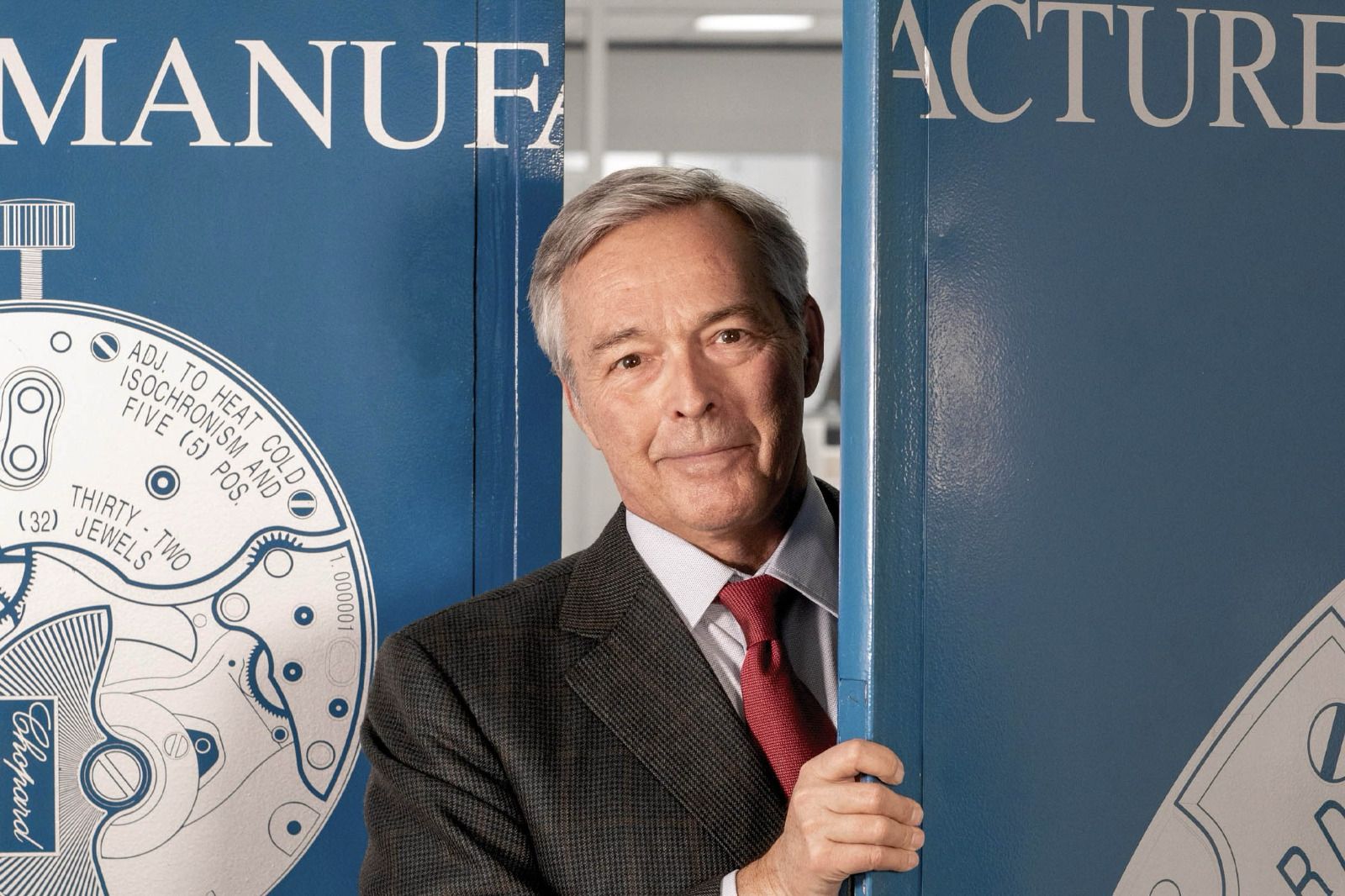
Launch of the high-end collection
The modern Chopard manufacture L.U.C began in 1996 with the creation of its own Haute Horlogerie workshop in Fleurier. Since then, L.U.C has developed into one of the most technically sophisticated manufacturing lines in Switzerland, characterized by in-house movements, Geneva seals, micro-rotor technology and high finissage.
The initials L.U.C stand for Louis-Ulysse Chopard, the founder of 1860. After the takeover by the Scheufele family in 1963, Chopard began to reposition itself. The decisive step came in 1996, when Karl-Friedrich Scheufele decided to build up a real haute horlogerie manufactory – independent, vertically integrated and with its own calibers.
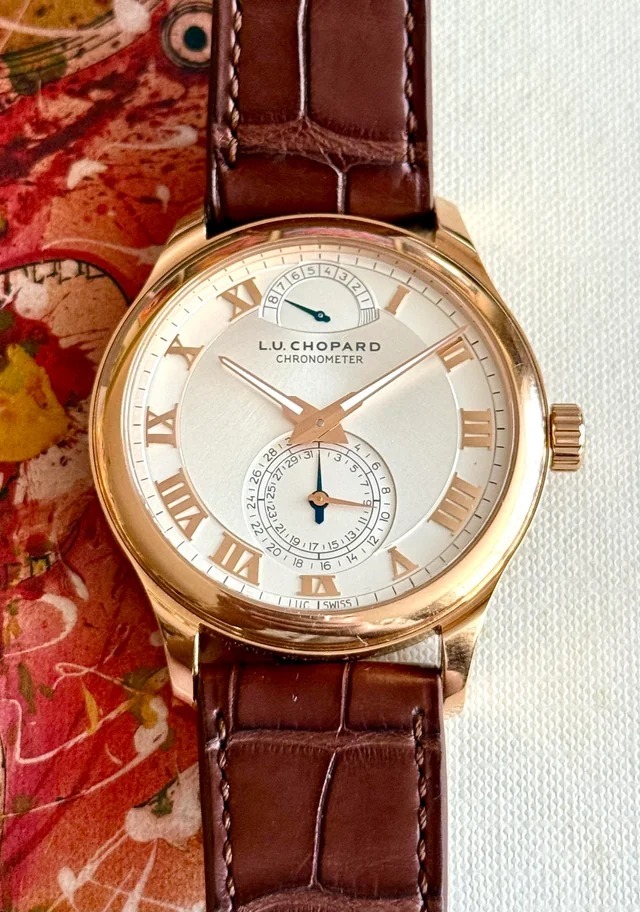
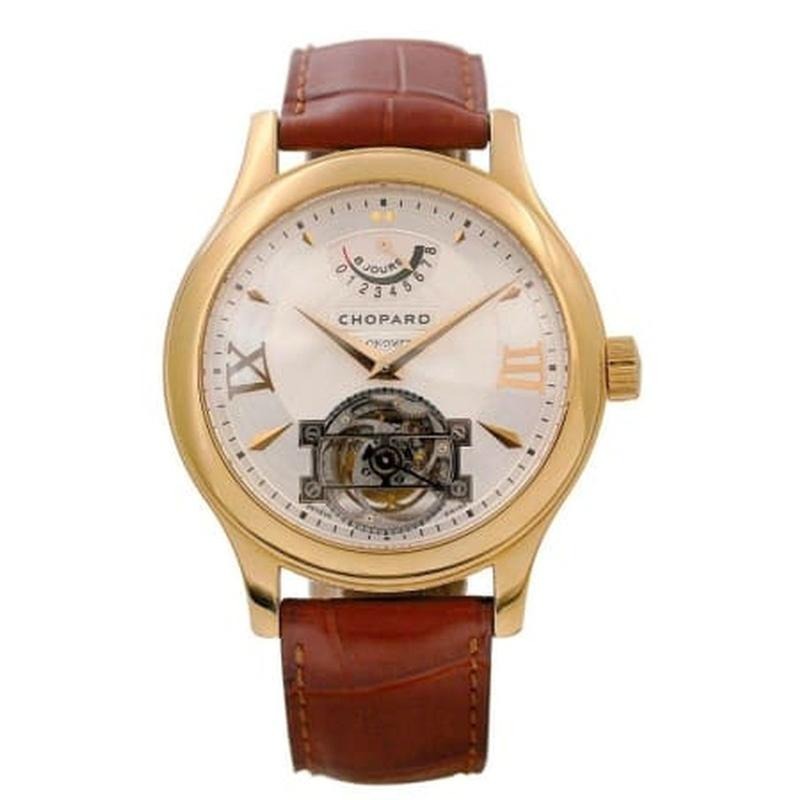
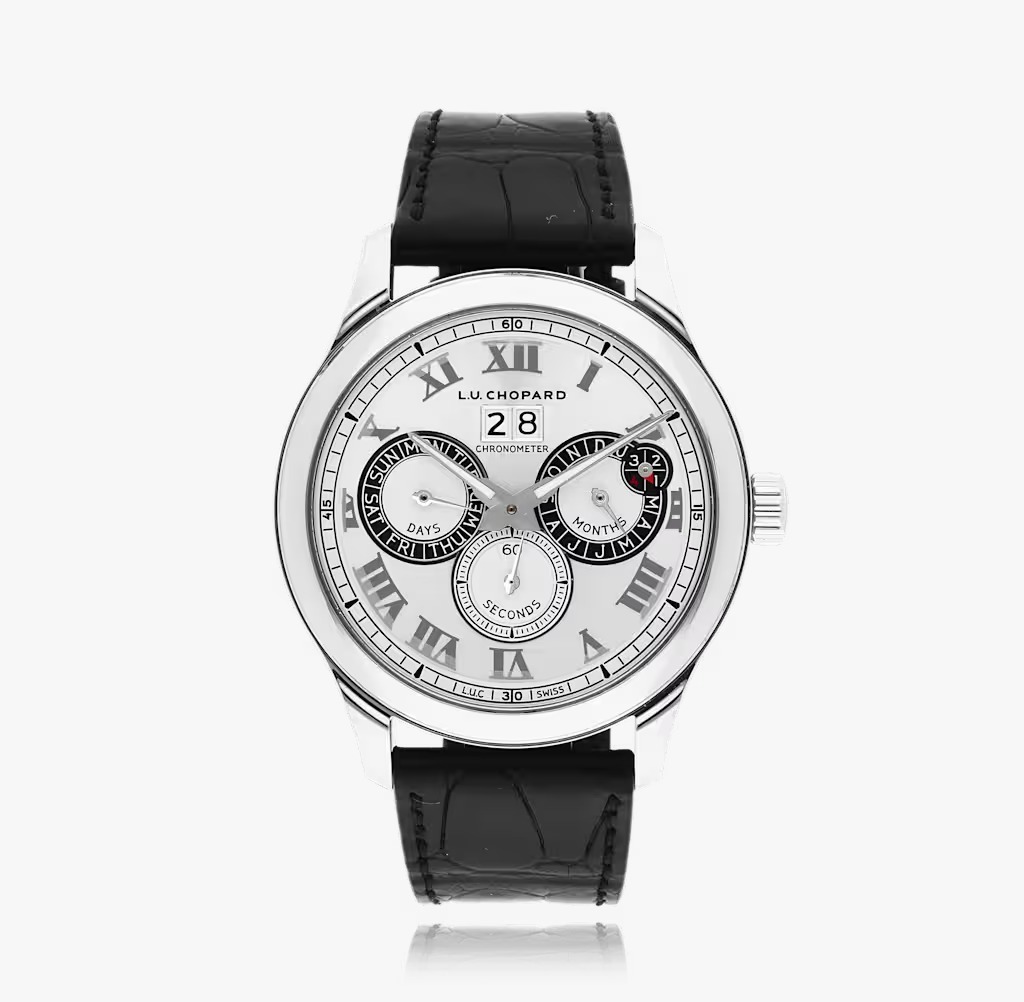
The foundation of the Chopard L.U.C collection was the calibre L.U.C 1.96 (1996) with a micro-rotor automatic movement, a 22K gold rotor, two barrel systems, Geneva finissage and COSC certification.
The most important milestones
- 1998: First L.U.C. production models with caliber 1.96
- 2000: Expansion of the manufactory, start of vertical integration
- 2003–2005: Introduction of further caliber families (e.g. 3.96, 4.96)
- 2006–2016: The Chopard L.U.C. line with complications and Geneva seal rises to the league of top manufacturers
Technical Highlights
- L.U.C Quattro – 4-barrel system, 9-day power reserve
- L.U.C Chrono One – in-house Chronograph
- L.U.C Tourbillon – with Geneva Seal
- L.U.C XP – ultra-thin dress watch
- L.U.C Lunar One – Perpetual Calendar with Moon Phase
As of 2007, the manufactory employed over 100 specialists in 15 professions and produced around 3000 L.U.C movements annually.
Why L.U.C is so relevant for collectors
- Complete manufacturing expertise (development, production, finissage)
- High technical culture (micro-rotor, twin-barrel, repeater)
- Strict certifications (COSC, Poinçon de Genève)
- Undervalued in the market – compared to Patek, VC, AP often 20–40% cheaper with similar quality
Our task was to provide expert support for the development of the L.U.C line and, at the same time, to develop adequate means of communication as well as to find new distribution channels.